

Last updated: November 2026
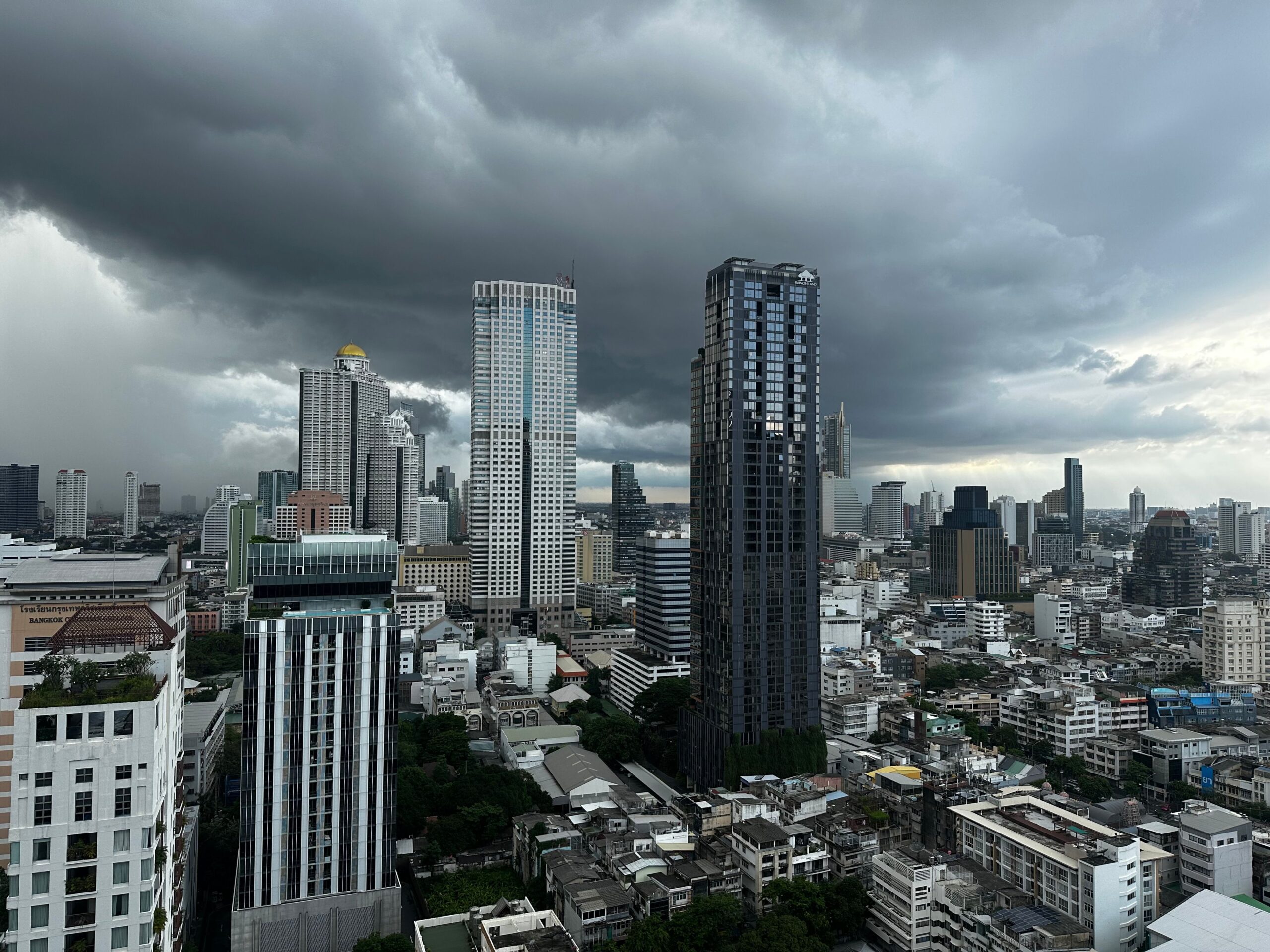
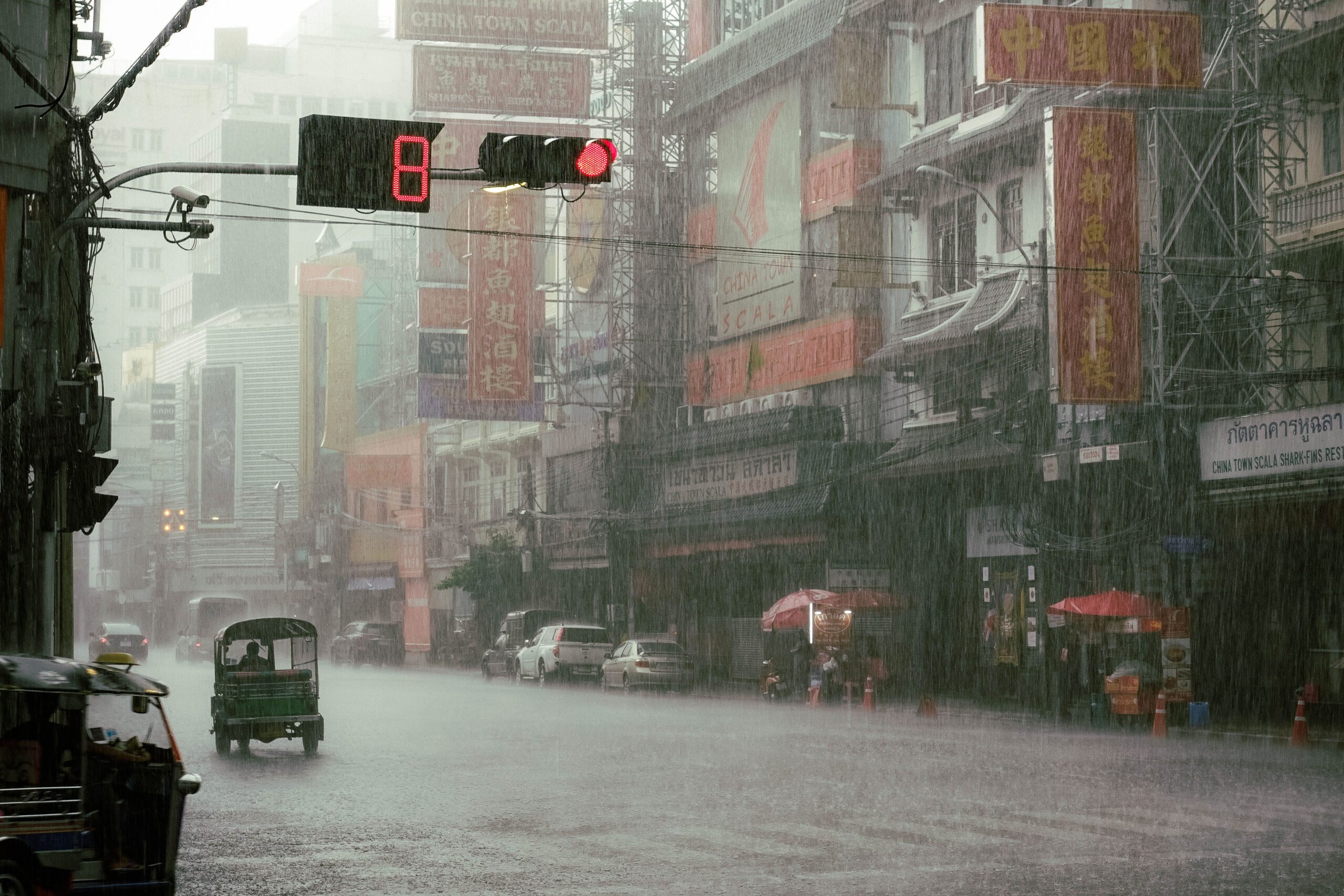
Bangkok flood safety starts inside your own home. Heavy rain and flash floods are a regular part of Thailand’s rainy season, so the best time to prepare is before the water arrives. For renters, being ready also means documenting everything that happens. This guide covers what to prepare, how to stay safe around electricity and floodwater, what to photograph and keep for your landlord and insurer, and who to call.
Before Heavy Rain: Flood Preparation Checklist For Tenants
Bangkok’s rainy season runs mostly from May to October, so it pays to prepare early. When a heavy rain warning is issued, use this flood preparation checklist to keep yourself, your home and your valuables safe:
● Move valuables to higher ground: if flooding is likely, move electrical items and anything you can’t replace onto high shelves, off the floor.
● Charge your phone and power banks, and save the flood emergency numbers below.
● Photograph your home before the rain. Take photos and videos of each room and your belongings, and note any existing problems such as leaks or damage, as a baseline for any later claim.
● Pack a go bag with your important documents, regular medicine, a torch, drinking water and dry food, in a waterproof bag, ready in case you need to evacuate.
| Keep ready | Why |
|---|---|
| Lease copy and landlord and building contacts | Proof of tenancy, and who to notify (see our lease agreement guide) |
| Move-in or pre-flood photos | A baseline of your home’s condition |
| ID card or passport copy | Often needed by your landlord, insurer or for any relief application |
Staying Safe at Home During a Flood
Flood safety at home comes down to electricity and avoiding floodwater. Thailand’s Department of Disease Control highlights three dangers close to home: drowning, electric shock, and reptiles or venomous animals (Bangkok Biz News).
Electrical Safety During a Flood
Never plug in or use electrical appliances if your hands or body are wet, because of the risk of electric shock. If water starts coming into your home or condo room, switch off the breaker, but only if you can reach it without standing in water (DDPM and MEA advice via MGR Online).
Once the water goes down, MEA advises wearing rubber gloves and boots, switching off at the cut-out before checking sockets and wiring, and not using appliances that got wet until an electrician has checked them (PPTV, citing MEA).
If Power, Lifts or Access Are Cut
Note the date, photograph any notice, and ask your juristic office or your landlord and village office what their procedure is. If your building or village has an active chat group, join it, since flood warnings and precautions are often shared there.
Keep dated proof of any power cut, lift closure or blocked access. It helps with your landlord, your insurer and any relief claim.
Floodwater Hazards and Animals
Floodwater is a health risk as well as an inconvenience. It can hide germs, sharp objects and animals that have fled the water, including snakes and other venomous species that can end up inside homes. If you’ve been in floodwater and feel unwell in the following weeks, see a doctor and mention the contact.
Moving through floodwater is risky too, since fast-moving water only 15 cm deep can knock you over, and if water is rising in your building, you shouldn’t go down to basements or basement car parks (Thai Rath). Avoid wading if you can. If you must go out, wear closed shoes or boots and stay well away from electricity poles. If you have to pass an electricity pole, keep 1–1.5 metres away and walk as slowly as possible. If you feel your body twitching or cramping, turn back immediately the way you came (DDPM and MEA advice via MGR Online).
Flood Emergency Numbers in Thailand
Save these flood emergency numbers on your phone before the heavy rain arrives, and check them again on the day, since numbers can change. MEA’s 1130 line covers Bangkok, Nonthaburi and Samut Prakan.
| Need | Number |
|---|---|
| Disaster reports (DDPM), 24 hours | 1784 (LINE: @1784DDPM) |
| Medical emergency | 1669 |
| Flood relief operations centre | 1138 |
| Police | 191 |
| Power problems: Bangkok, Nonthaburi, Samut Prakan | 1130 (MEA) |
| Power problems: other provinces | 1129 (PEA) |
| Insurance help (OIC), 24 hours | 1186 (LINE: @OICCONNECT) |
How to Document Flood Damage Safely
Good flood documentation makes it easier to sort things out with your landlord, support any insurance claim, and apply for any government relief, so start photographing flood damage as soon as it is safe.
● Photograph or film the damage twice: wide shots, then item by item, covering the structure, floors, walls, furniture and appliances. Record water marks or levels.
● Capture the surroundings: water around the building, and dated notices of power cuts or lift closures.
● Report in writing: message your landlord and the building office the same day with photos, and keep the chat or email. Your landlord may need them for their own insurance claim.
● Keep receipts for repairs to your own belongings, replacements and temporary accommodation.
● Don’t risk your safety for evidence. If you have to leave quickly, report first and gather more once it’s safe.
Contents Insurance and Flood Relief for Renters
The owner usually insures the property and handles claims for it, and that cover generally doesn’t include your own belongings. If you own valuables or electronics, consider contents insurance, and check that it covers floods and how much it will pay. If you have a loss, tell your insurer as soon as you can, with your policy number, the date, time and place, and details of the damage.
The government may also offer flood relief to affected residents, including tenants in some cases. Rules change, and the process uses a Thai ID card number, so ask your district office or the DDPM hotline (1784) whether you qualify, but beware of scams.
FAQ
What should I photograph if my home is affected?
Wide shots of each room, then each damaged item, plus water marks and notices of power or lift closures. If you have to leave quickly, report first and collect more evidence once it’s safe.
Where can I check flood warnings for my area?
Call the DDPM hotline on 1784 or use its LINE account (@1784DDPM), check the Thai Meteorological Department’s weather warnings, and join your building or village chat group for local updates.
Which areas of Bangkok are less prone to flooding?
Generally, central Bangkok. Defences built after the 1983 flood, including the King’s Dyke, a Chao Phraya flood wall and large drainage tunnels, protect the inner city. Risk varies by street and building, so ask about past flooding before you rent.
Conclusion: Bangkok Flood Safety for Renters
The best Bangkok flood safety plan for renters is simple: prepare your home and documents before the rain, stay clear of electricity and floodwater, and record any damage with dated photos. Report it to your landlord in writing, then check whether any contents insurance or government relief applies to you.
Before you decide to rent, it helps to be well informed, and professional advice can make the decision easier. Our property consultants can give you a guided room tour that covers the pros and cons of each unit and its layout. Looking for a home in Bangkok? Tell us what you need and we’ll shortlist units that fit. Contact us now!
View our current listings or list your property with us!
Contact details
Hotline: 02-114-8815 / 098-459-1251
E-mail: [email protected]
LINE Official Account: @psproperty
Facebook: facebook.com/Psproperty2023
This is general information, not legal, financial, medical or emergency advice. Rules and phone numbers can change, so check the official sources linked above.